
Property for Sale in Landour, Mussoorie



Description
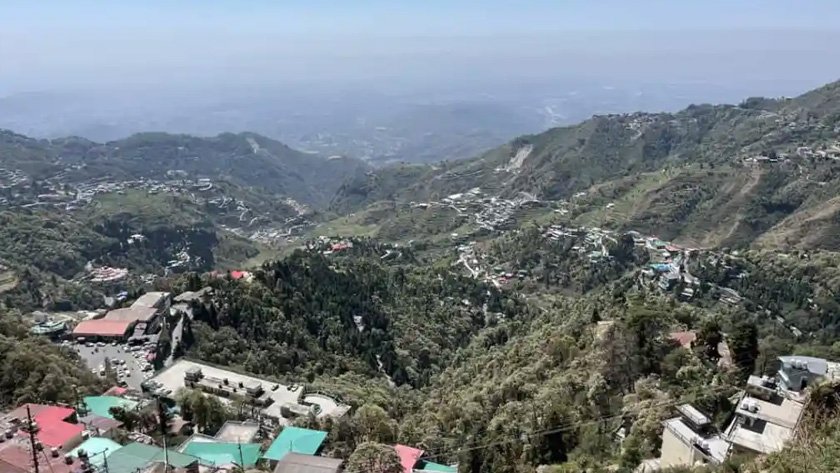
Landour has a character unlike newer hill developments. Its wooded slopes, cantonment history, old cottages and quieter lanes attract buyers who value heritage, privacy and a strong sense of place. Supply is limited, and properties can differ widely in access, ownership history, structural condition and permissible alteration. A Landour purchase should not be treated as an ordinary apartment transaction. Old construction, shared paths, parking limitations, heritage or cantonment considerations and complex records may require deeper review. Buyers should be prepared to examine both the romance and the practical responsibility of owning an older hill property.
Suitable buyer profile
Landour may suit buyers seeking a distinctive personal retreat or carefully managed residence rather than a standard plotted investment. A hospitality or rental concept requires separate confirmation of use, operating permissions, neighbour impact, service access and renovation feasibility.
Property possibilities
Opportunities may include cottages, portions of older buildings, independent homes and limited apartments. Genuine land availability can be scarce. Every listing should state parking, motorable access, walking distance if any, water arrangement, structural age and whether any rights or areas are shared.
Review before commitment
Legal and technical due diligence should cover title continuity, jurisdiction, access rights, sanctioned construction, proposed renovation, structural safety, seepage, retaining walls, drainage and utility arrangements. Buyers should not assume that an old building can be freely expanded or altered.
Frequently Asked Questions
-
Why is Landour considered premium?
Its limited supply, heritage environment, privacy and distinctive setting create strong buyer interest.
-
Is car access available to every property?
No. Some properties may involve narrow roads or walking access; this must be disclosed precisely.
-
No. Some properties may involve narrow roads or walking access; this must be disclosed precisely.
Possibly, but structural, heritage, jurisdictional and approval requirements must be checked first.
-
Is it suitable for frequent rental turnover?
That depends on permitted use, access, parking, neighbourhood conditions and operating practicality.
Contact Now

UK Himalayan Properties
- +91 7017886949
- info@ukhproperties.com

