

Why the Rishikesh region draws hospitality interest
Rishikesh sits at the meeting point of spirituality, wellness, adventure and Himalayan travel. The official tourism portal highlights wellness and nature, while state policy continues to support tourism and hospitality as an economic focus. That diversity can support different products: yoga stays, boutique hotels, destination retreats, riverside resorts and managed villas. It does not make every hotel a good investment. Buyers should evaluate the asset as an operating business as well as real estate.

Define the guest before valuing the property
Who currently stays at the hotel? Weekend families, yoga groups, international travellers, weddings, corporate retreats or pilgrims? A property designed for everyone often serves no one particularly well. Review seasonality, length of stay, room mix, food and beverage demand, event business and the competitive set. The location and physical product should match the guest segment.

Verify the land, building and permissions
Review title, land status, sanctioned plans, completion/occupancy documents where applicable, fire, pollution, food, tourism, local trade and other operational licences relevant to the asset. Confirm that the number of rooms being sold matches approved and physically usable inventory For a resort, examine access, parking, water, sewage, staff areas, kitchen, back-of-house and slope infrastructure. Beautiful guest areas cannot compensate for weak operations infrastructure
Understand the numbers behind the asking price
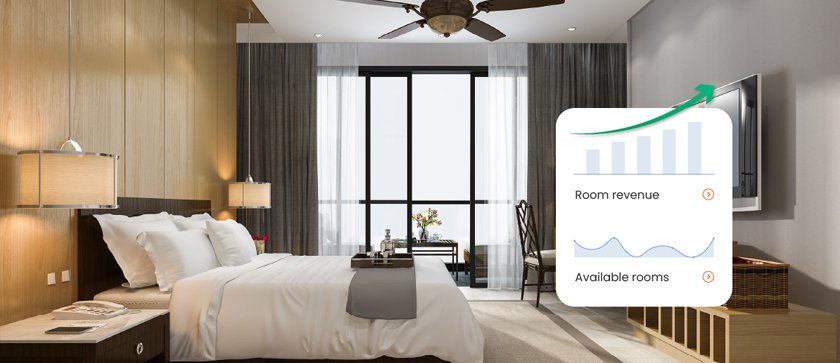
Request audited or verifiable financial information: room revenue, occupancy, average rate, food and beverage, events, other income, payroll, utilities, commissions, repairs and taxes. Separate owner-specific expenses from normal operating costs, but do not accept an adjusted profit without evidence. Examine monthly patterns, not only an annual total. A strong peak season can hide weak off-season cash flow.

Identify deferred capital expenditure
Walk every room and service area with technical professionals. Roofs, waterproofing, electrical systems, lifts, pools, spa equipment, sewage treatment, kitchens and retaining structures can require major expenditure. A hotel that looks profitable before renovation may deliver a very different return after necessary capex.

Brand and management options
An independent property offers control but depends heavily on the owner's team and distribution. A management or franchise arrangement may improve systems and reach, but introduces fees, standards and contractual obligations. Review any existing operator agreement, employee liabilities, online travel agency accounts, guest reviews, trademarks and transferable licences. Do not assume the current brand or ratings will automatically transfer with the sale.

Use conservative assumptions
Build scenarios for occupancy, rate, renovation, interest cost, management fees and seasonality. Rental or investment returns are not guaranteed. A serious acquisition model includes downside cases and working-capital needs. risk.

The final investment question
A good hospitality asset should work on three levels: legally and physically sound property, a product that guests choose, and economics that survive realistic costs. If one level is missing, the buyer is purchasing a turnaround project rather than a stable investment - and should price it accordingly.
Frequently Asked Questions
-
What does 'keys' mean in a hotel listing?
It refers to saleable rooms/units, but buyers must verify the approved, operational and physically usable count.
-
Is occupancy enough to value a hotel?
No. Rate, revenue mix, operating cost, capex, debt and seasonality are also essential.
-
Can a hotel rating or brand transfer to a new owner?
Not automatically. Review the relevant approvals, contracts and brand/operator terms.
-
Should the buyer inspect licences before an LOI?
Obtain professional advice on the sequence. At minimum, the LOI and due-diligence terms should clearly protect the buyer