
The market is moving from discovery to selection
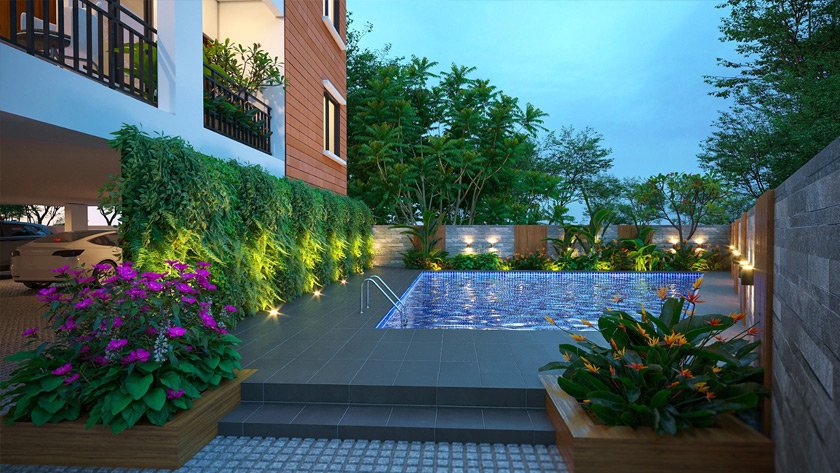
For years, many buyers approached Rishikesh with a simple idea: find a peaceful property near the Ganga or the hills and hold it for the future. The market is becoming more selective. Buyers now ask about approvals, road access, rental management, construction feasibility, maintenance and the credibility of the company presenting the asset. That change is healthy. It means the next stage of growth may reward well-documented, usable and professionally managed property rather than land that is marketed only through scenic videos.

Wellness will remain important, but it will mature
Rishikesh has an established identity in yoga, spirituality and wellness. The official tourism portal continues to position the destination around nature and wellness experiences. The opportunity for real estate is not to repeat the word 'wellness' on every project. It is to translate the idea into design and operations: natural light, quiet spaces, ventilation, walkability, healthy food, yoga or meditation areas and responsible landscape planning. Projects that use wellness only as a marketing label may struggle to remain distinctive. Properties that deliver a coherent guest or resident experience are more likely to earn trust.
Demand may spread beyond the crowded core
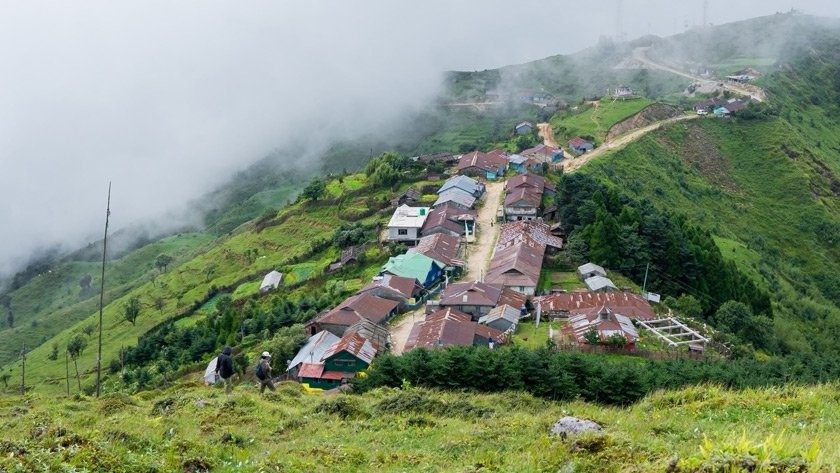
As central tourism zones become busier and more expensive, some buyers will continue to examine nearby hill corridors and villages. Narendra Nagar, Oni Village, Shivpuri, Yamkeshwar, Mohan Chatti and selected Tehri routes each offer a different combination of access, landscape and potential use. This does not mean every village will become a premium market. Growth is likely to be uneven. The winning micro-locations will be those with legal access, reliable services, manageable slopes, attractive surroundings and a realistic relationship with Rishikesh.
Infrastructure will help, but site-level access will decide
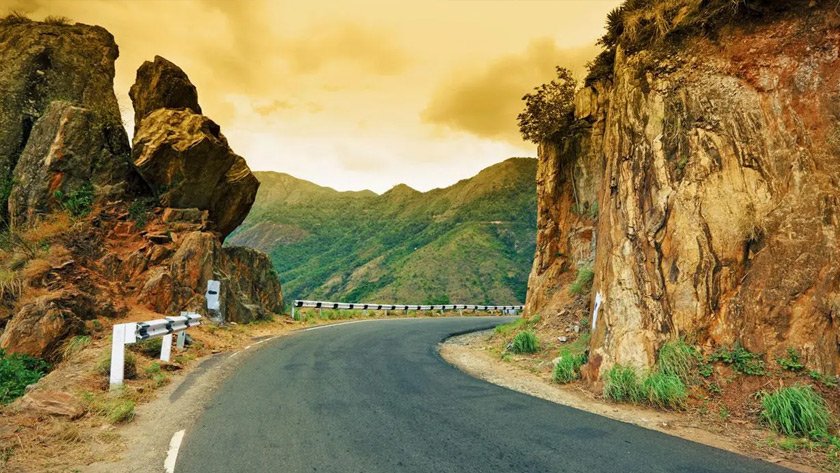
Regional road improvement can make Garhwal destinations easier to reach. NHIDCL publicly documents ongoing and completed work on the Rishikesh-to-Mana corridor. Such investment supports the broader movement of people and goods. However, a buyer must separate a highway story from the last kilometre of a property. A site can be near an improved corridor and still suffer from a narrow approach road, monsoon damage, unclear access rights or difficult construction logistics. From 2026 onward, buyers are likely to place more value on this last-mile reality.

Professional management will influence second-home demand
Many people like the idea of a home in the mountains but do not live there throughout the year. They need security, housekeeping, maintenance, guest coordination and transparent accounting. This creates space for professionally managed apartment and villa communities. The management promise must be specific. Who operates the property? What services are included? What are the charges? Is rental participation optional? How is income reported? The market will increasingly distinguish a real operating model from a vague rental assurance.
Environmental and regulatory discipline will matter more
Hill development requires respect for slope, drainage, water, vegetation and carrying capacity. Uttarakhand's tourism policy framework emphasises sustainable tourism. Buyers and developers should expect greater scrutiny of projects that make ambitious claims without corresponding planning. Responsible development is not only an ethical point; it affects long-term asset quality. Poor drainage, excessive cutting or weak retaining work can turn a promising site into a costly liability.

What this outlook means for buyers
Between 2026 and 2030, the strongest properties are likely to be those that combine clear documents, realistic access, a defined user, responsible design and dependable management. The weakest decisions may be those based only on a future highway, a view or an assumed return. No forecast is certain. A practical buyer should treat market optimism as a reason to research more carefully, not as permission to skip due diligence.
Frequently Asked Questions
-
Will property prices in Rishikesh definitely rise by 2030?
No responsible adviser can guarantee future prices. Performance will vary by micro-location, legality, access, supply and demand.
-
Which property segment may attract attention?
Well-located second homes, managed residences and credible hospitality assets may remain relevant, but every asset needs individual assessment.
-
Does a new road automatically increase land value?
Not automatically. The property still needs usable legal access, appropriate land status, buildability and buyer demand.
-
What should developers prioritise?
Clear approvals, drainage, slope-sensitive planning, truthful marketing, maintenance and a defined customer experience.

