
Laxman Jhula & Bajrang Setu, Rishikesh
Introduction
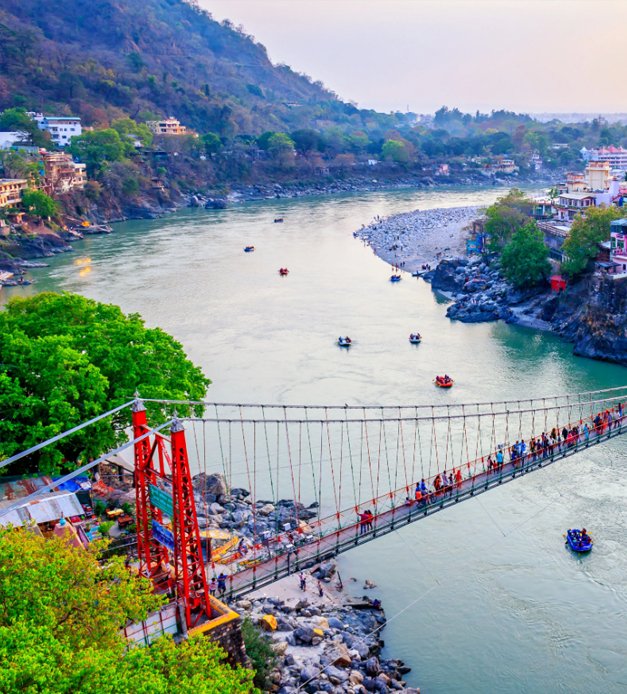
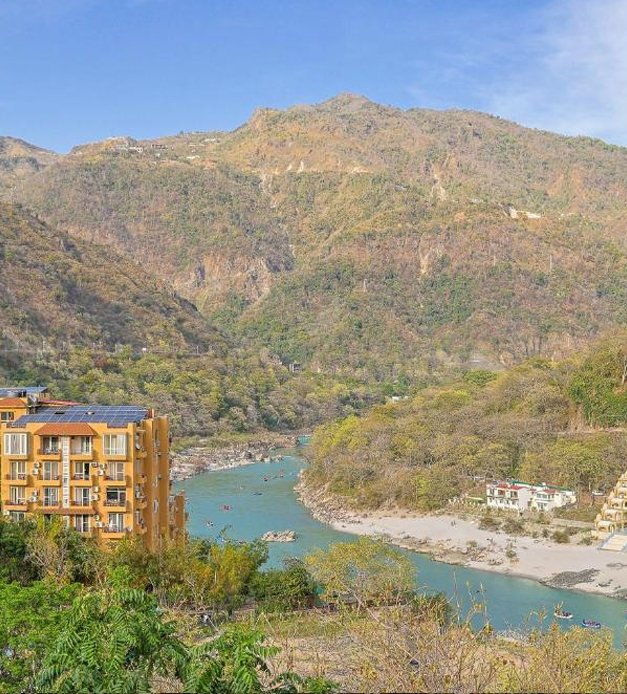
Laxman Jhula is one of the most iconic and emotionally connected locations in Rishikesh. For decades, this area has represented the spiritual, cultural and tourism identity of the city. Located around the holy Ganga river and surrounded by Himalayan hills, the Laxman Jhula region naturally brings together temples, ashrams, yoga schools, cafes, guest houses, boutique stays and riverside tourism. Today, the area is entering a new phase with the development of Bajrang Setu. The old Laxman Jhula bridge created the identity of this corridor, while Bajrang Setu is expected to strengthen visitor movement, pedestrian connectivity and tourism experience around the same historic zone. For a real estate, hospitality and lifestyle-focused website, Laxman Jhula should not be presented only as a tourist point. It should be shown as a complete tourism ecosystem where spirituality, Ganga river lifestyle, yoga culture, cafe business, boutique hospitality and future commercial value all work together.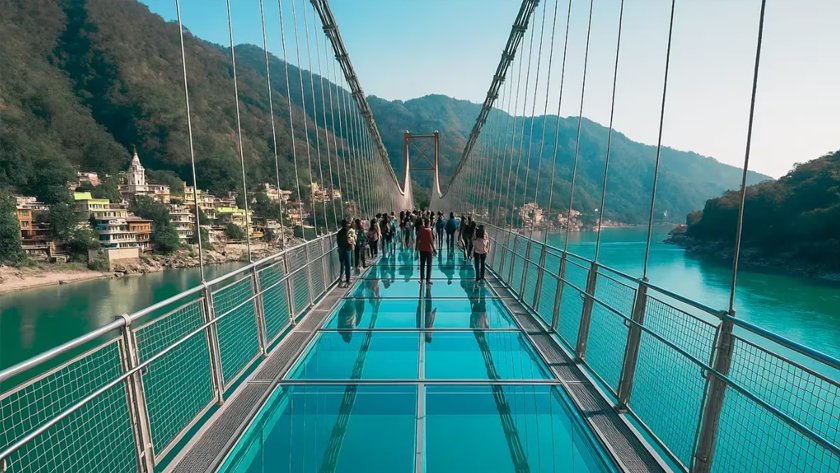
Why Laxman Jhula is Important for Rishikesh
Laxman Jhula is not just a bridge name. It is one of the strongest location identities in Rishikesh. When tourists think of Rishikesh, they usually connect the city with Ganga ji, yoga, cafes, ashrams, Ram Jhula, Tapovan and Laxman Jhula The area has a strong pull because it offers:
- Ganga river surroundings
- Spiritual and temple environment
- International yoga culture
- Riverside cafe lifestyle
- Walkable tourism streets
- Boutique stays and guest houses
- Connectivity toward Tapovan, Ram Jhula and Swargashram
Bajrang Setu - The New Tourism Landmark
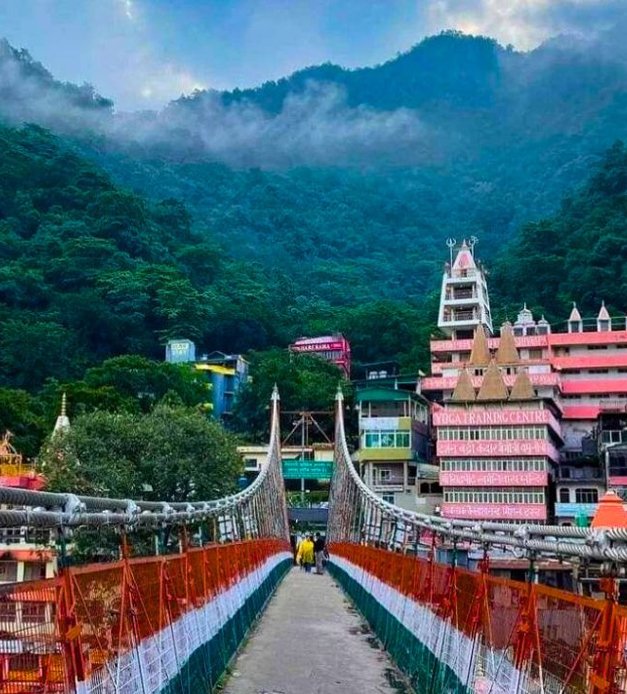
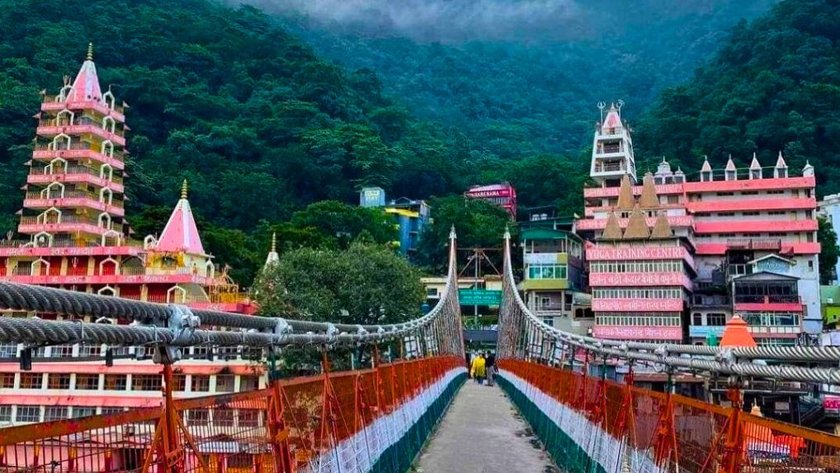
Bajrang Setu is being developed as a modern bridge in the Laxman Jhula corridor. It is designed to improve pedestrian movement and create a stronger visitor experience over the Ganga. The bridge has been widely discussed as a modern suspension bridge with glass walkway features, created to replace the functional role of the old Laxman Jhula bridge while keeping the importance of the location alive. For visitors, this is not only about crossing from one side to another. Bajrang Setu is expected to become a new attraction in itself because people coming to Rishikesh will naturally want to experience the river view, bridge walk, photography points and surrounding tourism market. This development can increase activity around nearby areas such as:
- Tapovan side
- Laxman Jhula market
- Jonk side
- Swargashram route
- Ram Jhula corridor
- Neelkanth Mahadev route
Old Identity, New Connectivity
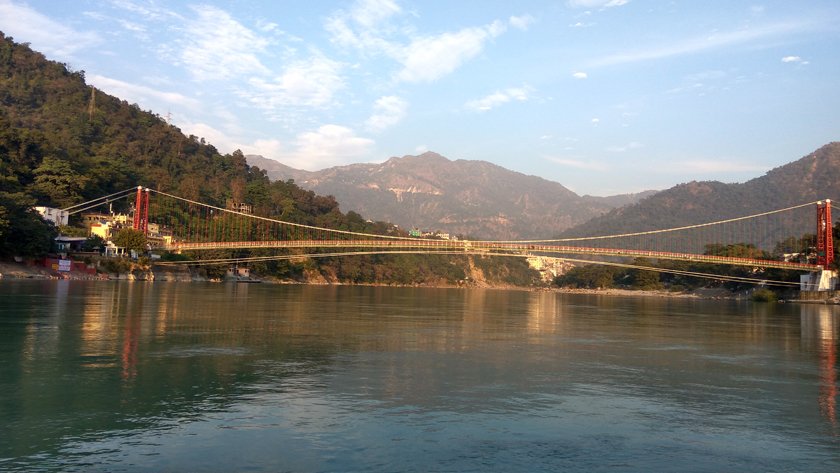
The original Laxman Jhula carried a very strong emotional and tourism identity. Even after movement restrictions on the old bridge, the name Laxman Jhula continues to remain one of the most powerful location brands in Rishikesh. Bajrang Setu adds a new layer to this identity. It connects old spiritual memory with modern tourism infrastructure. For buyers, travelers and hospitality investors, this matters because locations with strong public memory and improving connectivity usually hold better long-term value. The area is likely to benefit from:- Better pedestrian movement
- More visitor flow
- Stronger tourism visibility
- Improved local business activity
- Better access between both sides of the river
- Higher interest in cafes, stays and boutique hospitality
Yoga, Wellness & International Tourism Culture
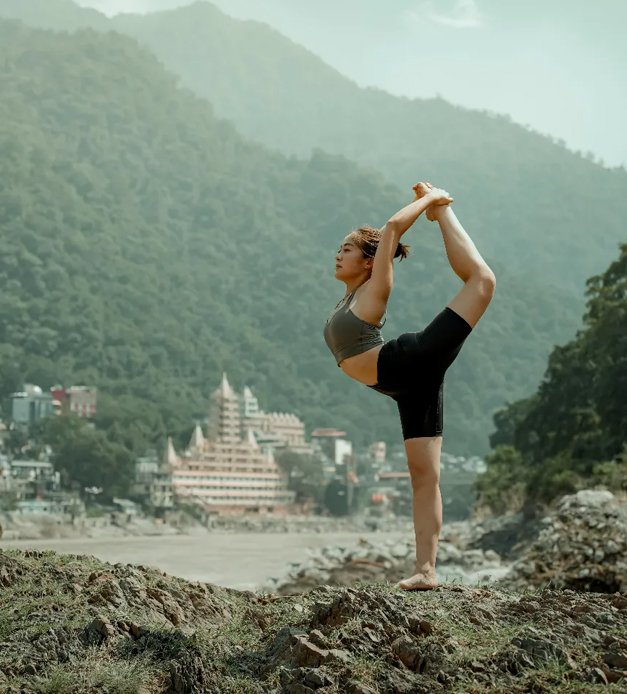
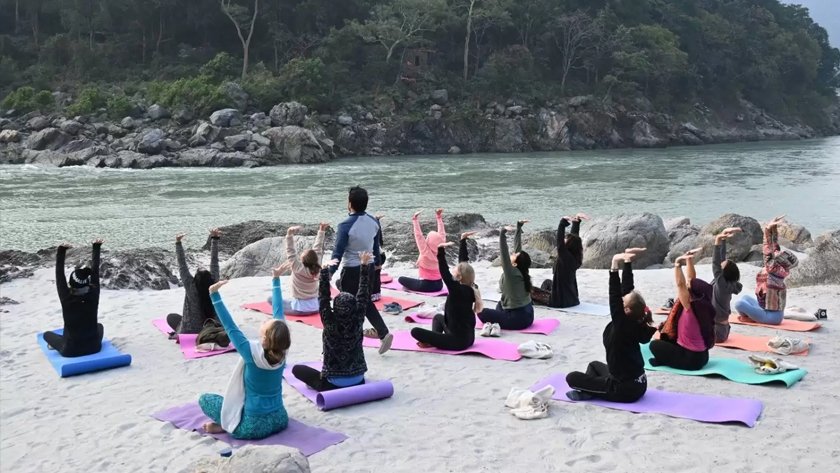
Rishikesh is globally known as the Yoga Capital of the World, and Laxman Jhula remains one of the most active zones for yoga, meditation and long-stay international tourism. The area attracts:- Yoga students
- Meditation travelers
- Spiritual tourists
- Foreign visitors
- Wellness seekers
- Backpackers
- Long-stay guests
Cafe Culture & Boutique Hospitality
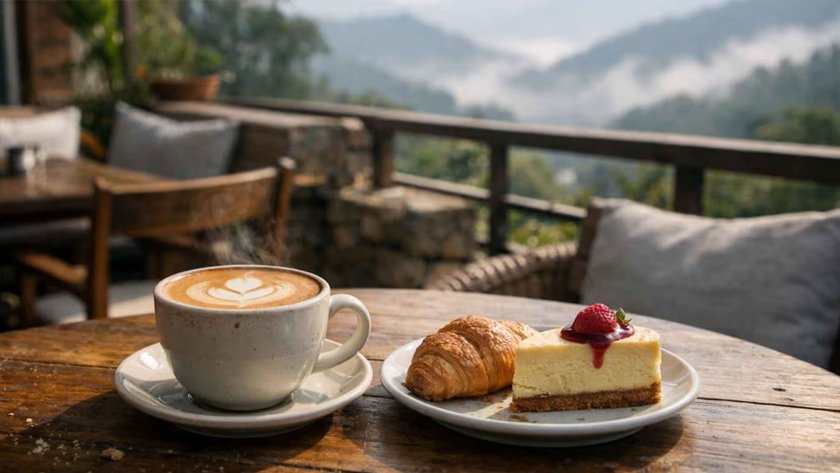
One of the most visible lifestyle features of Laxman Jhula is its cafe and boutique hospitality culture. The area has become popular for riverside cafes, rooftop sitting, small guest houses, hostels, wellness stays and lifestyle-driven hospitality concepts. This makes the location suitable for:- Boutique guest houses
- River-view cafes
- Yoga retreats
- Wellness stays
- Hostels and long-stay accommodation
- Small lifestyle hotels
- Spiritual travel stays
Tourism Activities Around Laxman Jhula
Visitors staying around Laxman Jhula can easily access many popular Rishikesh experiences. Nearby activities and attractions include:- Ganga Darshan and riverside walks
- Yoga and meditation classes
- Cafe hopping
- Temple visits
- Ram Jhula and Swargashram side visits
- Tapovan tourism and lifestyle streets
- Neelkanth Mahadev route access
- Shivpuri and rafting corridor connectivity
- Local markets and spiritual shopping
Property & Hospitality Value of the Location
Laxman Jhula is one of those areas where property value is strongly connected with location visibility, tourism footfall and brand recall. Even people who have visited Rishikesh only once usually remember Laxman Jhula. For hospitality and lifestyle projects, this recognition is very important. A property near such a known tourism belt naturally gets better attention from travelers and investors. Potential opportunities around the larger Laxman Jhula and Tapovan belt include:- Boutique hospitality
- Wellness stays
- Yoga-linked accommodation
- Cafes and lifestyle commercial spaces
- Small hotels and guest houses
- Holiday rental units
- Long-stay accommodation concepts
Why Demand May Increase Further
The demand around Laxman Jhula can continue improving because of multiple reasons:
- Bajrang Setu is adding a new tourism attraction
- Rishikesh continues to grow as a yoga and wellness destination
- Cafe culture is already strong
- International tourism visibility remains high
- Tapovan and nearby zones are developing quickly
- Visitors prefer walkable and experience-rich locations
- The Ganga riverfront lifestyle has permanent emotional value
Quick Highlights of Laxman Jhula & Bajrang Setu
- One of the most iconic locations in Rishikesh
- Located around the holy Ganga river
- Strong yoga, wellness and spiritual identity
- Bajrang Setu adds modern bridge connectivity
- Active cafe and boutique hospitality culture
- Connected with Tapovan, Ram Jhula and Swargashram
- Strong tourism visibility throughout the year
- Suitable for cafes, stays, wellness and hospitality concepts
- Long-term value linked with tourism and location recall
Suitable For
The Laxman Jhula and surrounding tourism belt is suitable for:- Boutique stays
- River-view cafes
- Yoga retreats
- Wellness accommodation
- Hostels and long-stay stays
- Spiritual hospitality
- Lifestyle commercial spaces
- Small hotels and guest houses
- Tourism-focused investment opportunities
Frequently Asked Questions
man Jhula still important after Bajrang Setu? Yes. Laxman Jhula remains one of the strongest location identities in Rishikesh, and Bajrang Setu adds modern connectivity and tourism value to the same corridor. Why is Bajrang Setu important? Bajrang Setu is important because it is expected to improve pedestrian movement, tourism experience and connectivity between key riverside areas around Laxman Jhula. Is the Laxman Jhula area good for hospitality business? Yes. The area has strong tourism footfall, yoga culture, cafe demand and long-stay visitor movement, making it suitable for boutique hospitality and lifestyle businesses. Which nearby areas are connected with Laxman Jhula? Laxman Jhula is connected with Tapovan, Ram Jhula, Swargashram, Jonk side, Neelkanth route and the wider Rishikesh tourism belt.Why Choose UK Himalayan Properties Pvt. Ltd.
K Himalayan Properties Pvt. Ltd. focuses on identifying and developing thoughtfully planned hospitality and lifestyle opportunities across Uttarakhand’s Himalayan region. Our expertise includes:
- Riverside hospitality concepts
- Luxury villa opportunities
- Resort & tourism planning
- Hill development support
- Infrastructure planning
- Lifestyle-focused investment opportunities
- Legal and registry assistance We believe Himalayan living is not only about property — it is about creating peaceful and memorable lifestyle experiences connected with rivers, mountains, and nature. We Don’t Just Develop Properties — We Create Better Himalayan Living Experiences.
Contact Now

UK Himalayan Properties
- +91 7017886949
- info@ukhproperties.com

